
Restaurant Cleaning
Closing-time cleaning plans for St. Paul restaurants that separate dining areas, restrooms, floors, and back-of-house tasks.
See Restaurant Cleaning
Service Area
Janitorial service for downtown offices, Midway commercial buildings, university facilities and the medical and institutional properties across St. Paul.
Local Overview
A St. Paul building can be cleaned on schedule and still open with the same visible problems: grit at the entrance, a restroom that lost its reset before the day began, or a meeting room left behind after late use. Those misses do more than affect appearance. They pull a property manager or office administrator into repeat checks, staff cleanup, and explanations to people who expected the space to be ready.
The cause is often a scope that treats every room as identical. An office lobby, public corridor, break room, classroom, clinic waiting area, and loading-side entrance do not collect the same traffic or become available at the same time. When the plan does not separate those conditions, the crew can finish a list of tasks while the spaces people notice first keep falling behind.
Minneapolis Janitorial begins with a walkthrough of the conditions behind the complaint. We can review entry routes, flooring, room use, access procedures, occupancy windows, and the places where the current routine repeatedly misses the mark. That discussion gives the facility contact a practical way to describe what needs attention before tasks and frequencies are set.
The resulting scope can identify areas, responsibilities, timing, access notes, and periodic floor care in writing. It also gives both sides a reference when the building changes. If a room becomes busier, an access rule shifts, or an entry needs more care during wet weather, the discussion can move from a vague concern to a specific adjustment in the program.
The walkthrough is also the time to identify what a cleaning team needs in order to work without creating a new burden for the building. That can include entry instructions, a place for supplies, points of contact, room restrictions, and a way to flag a changed condition. Putting those operational details beside the cleaning tasks helps the service fit the site. It also gives the facility contact a practical checklist when comparing the scope with what was completed after a visit.
Industries
St. Paul facilities can have different cleaning pressures in offices, public spaces, classrooms, clinics, and working areas. Select a facility type to review a scope for room timing, access, and floor maintenance.
Closing-time cleaning plans for St. Paul restaurants that separate dining areas, restrooms, floors, and back-of-house tasks.
See Restaurant Cleaning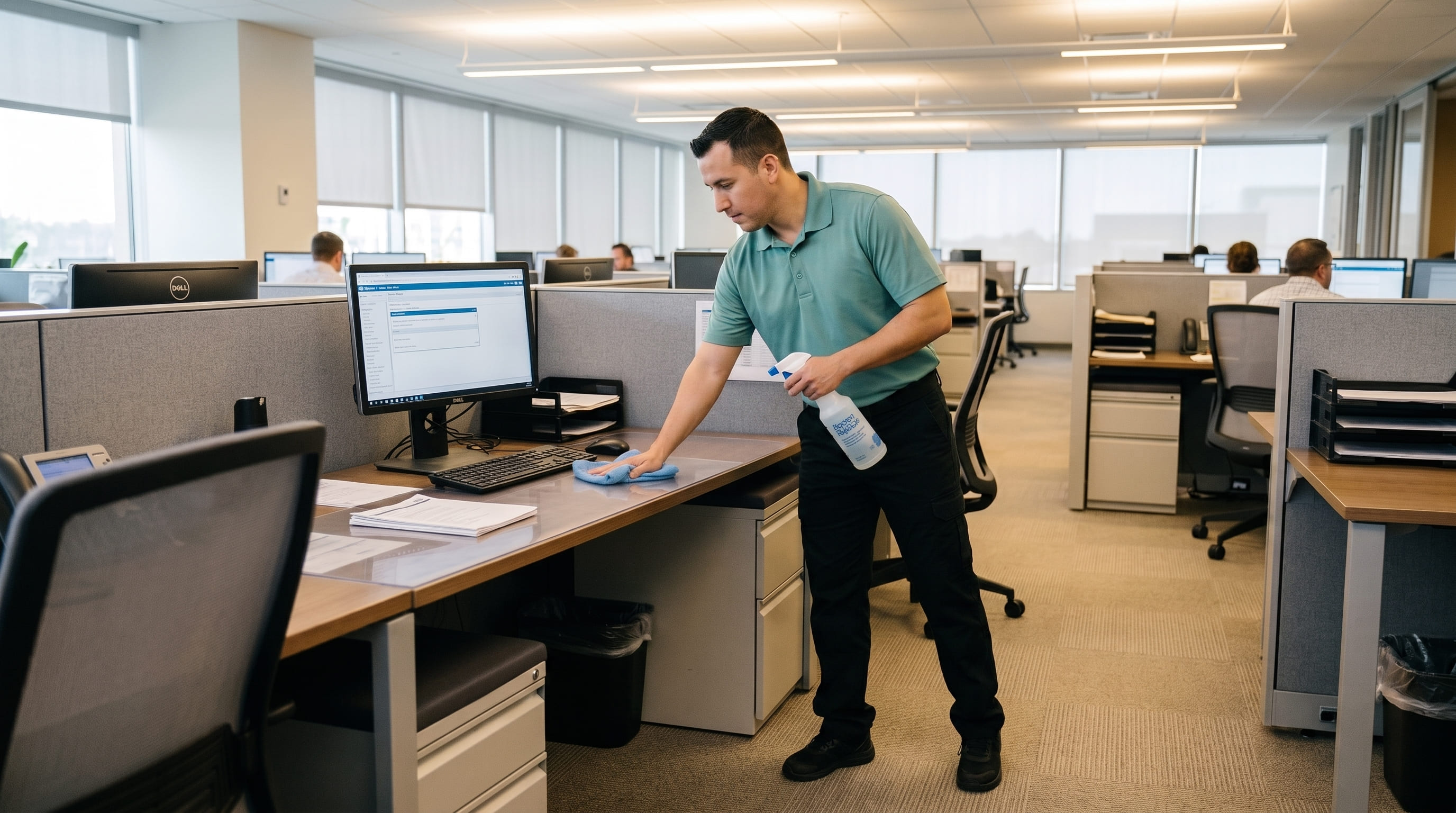
Scoped nightly service for St. Paul offices with clear priorities for entries, meeting rooms, restrooms, and shared areas.
See Office Cleaning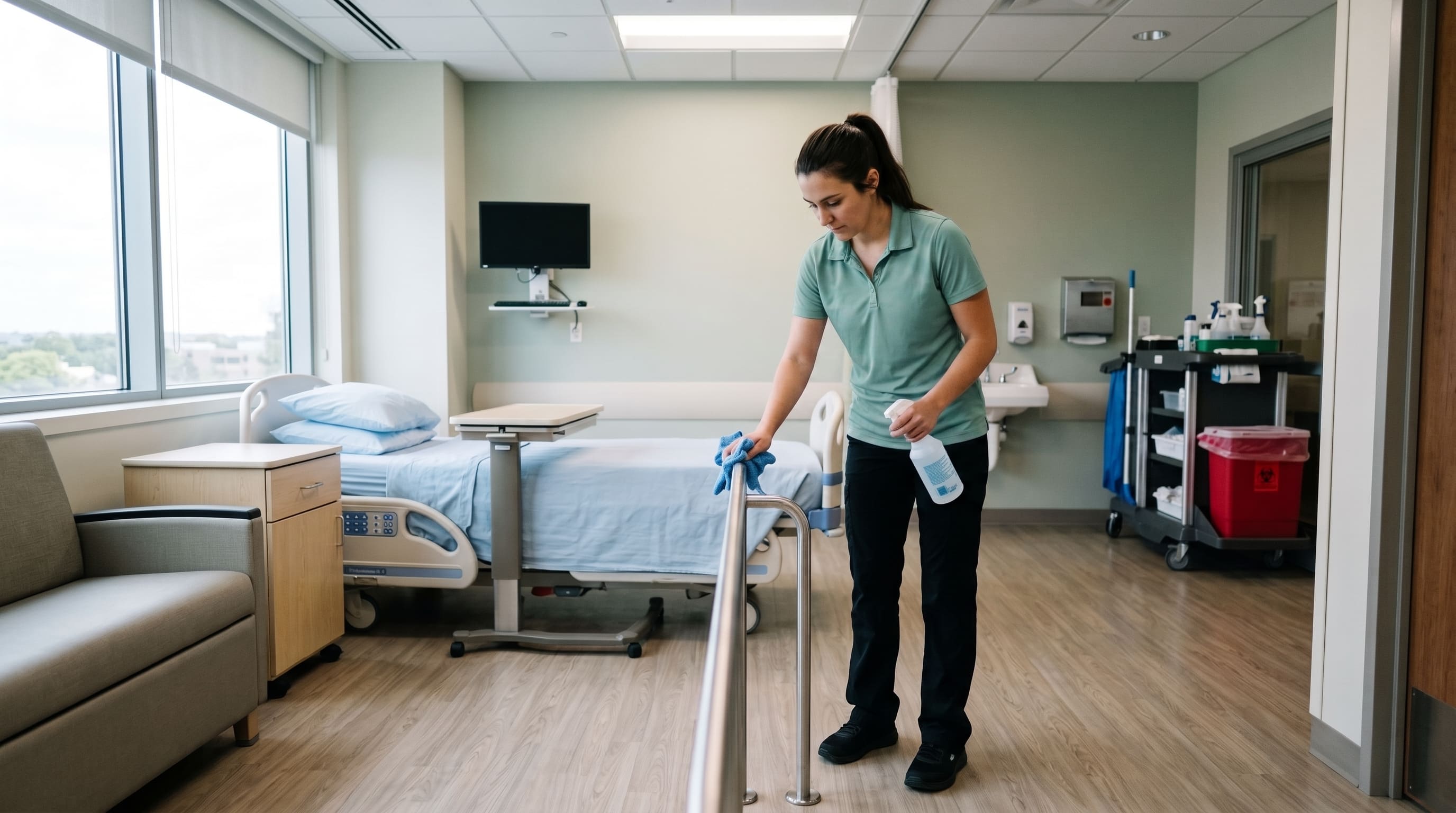
Cleaning scopes for St. Paul clinics that define room use, timing, public areas, and material-handling expectations.
See Medical and Healthcare Facility Cleaning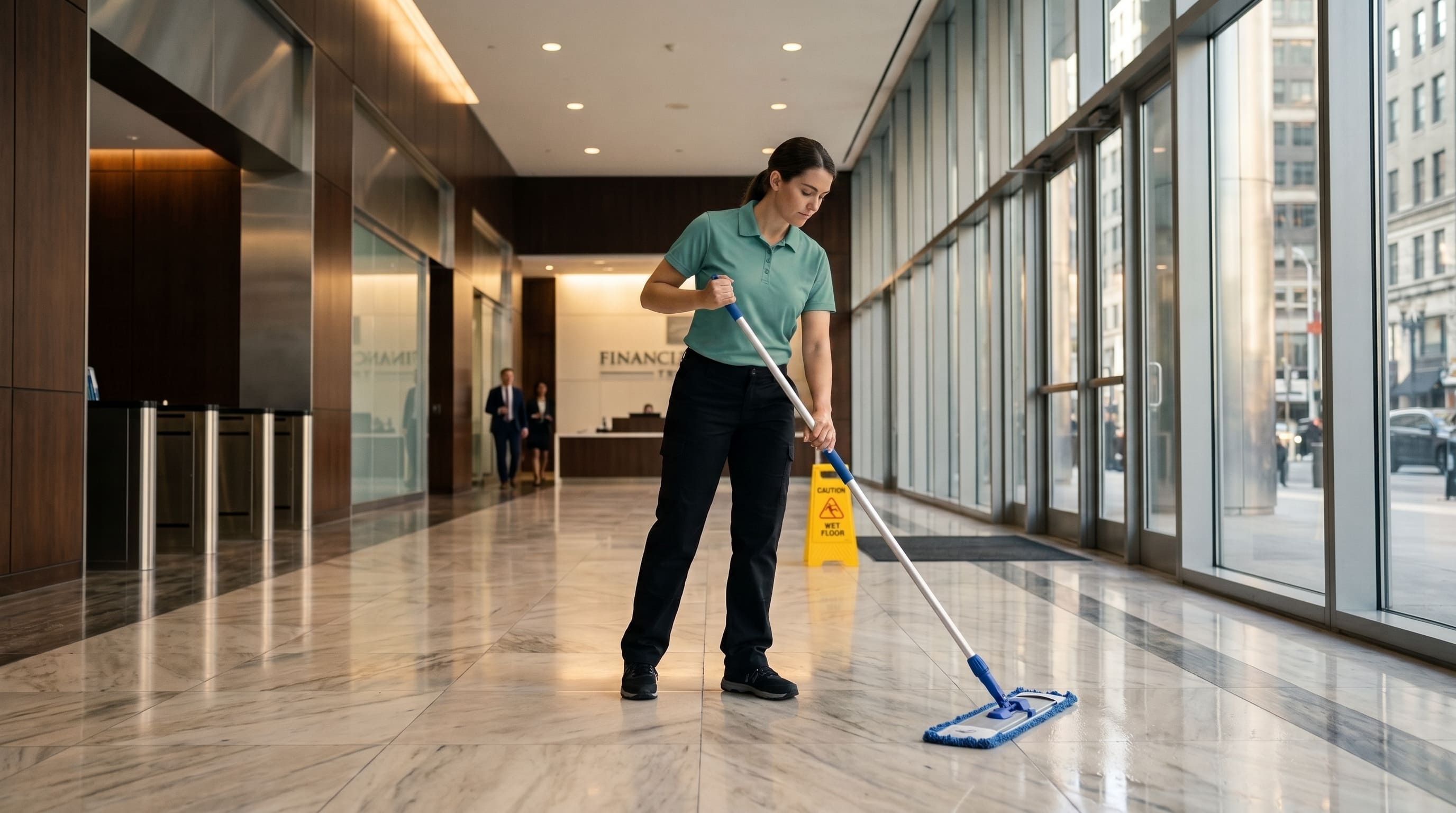
After-hours cleaning plans for St. Paul financial offices that account for access procedures and customer-facing spaces.
See Financial Institution Cleaning
Entry, floor, fitting-room, and restroom care for St. Paul retail spaces with visible daily traffic.
See Retail and Shopping Center Cleaning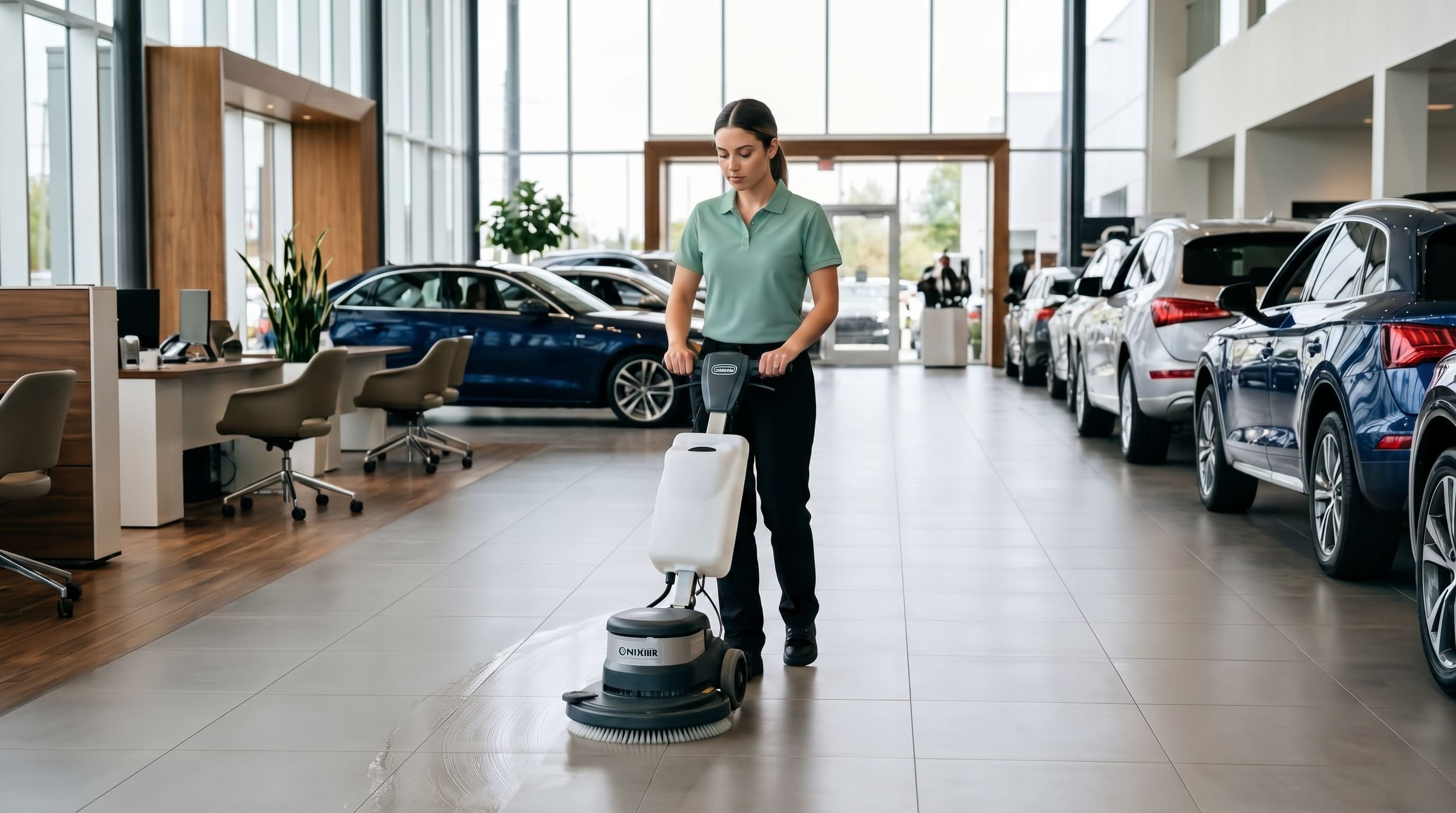
Showroom, customer lounge, restroom, and service-area cleaning for St. Paul automotive facilities.
See Auto Dealership Cleaning
Floor, dust, dock, break-room, and restroom programs for St. Paul working facilities.
See Industrial and Warehouse Facility Cleaning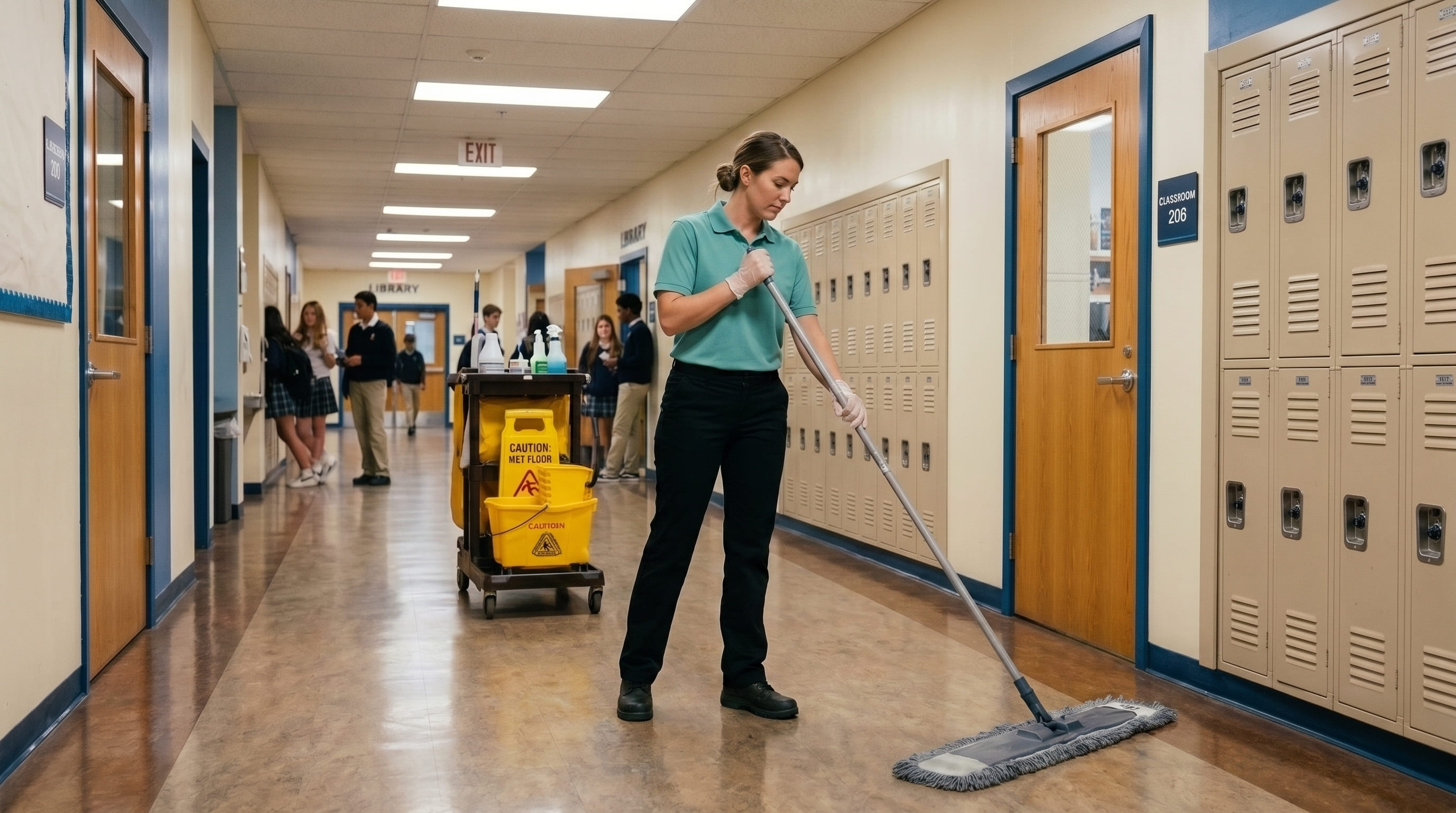
Classroom, restroom, entry, and shared-space cleaning plans for St. Paul schools and childcare settings.
See School and Daycare Cleaning
Equipment-area, locker-room, shower, and floor cleaning plans for St. Paul fitness facilities.
See Fitness Center and Gym Cleaning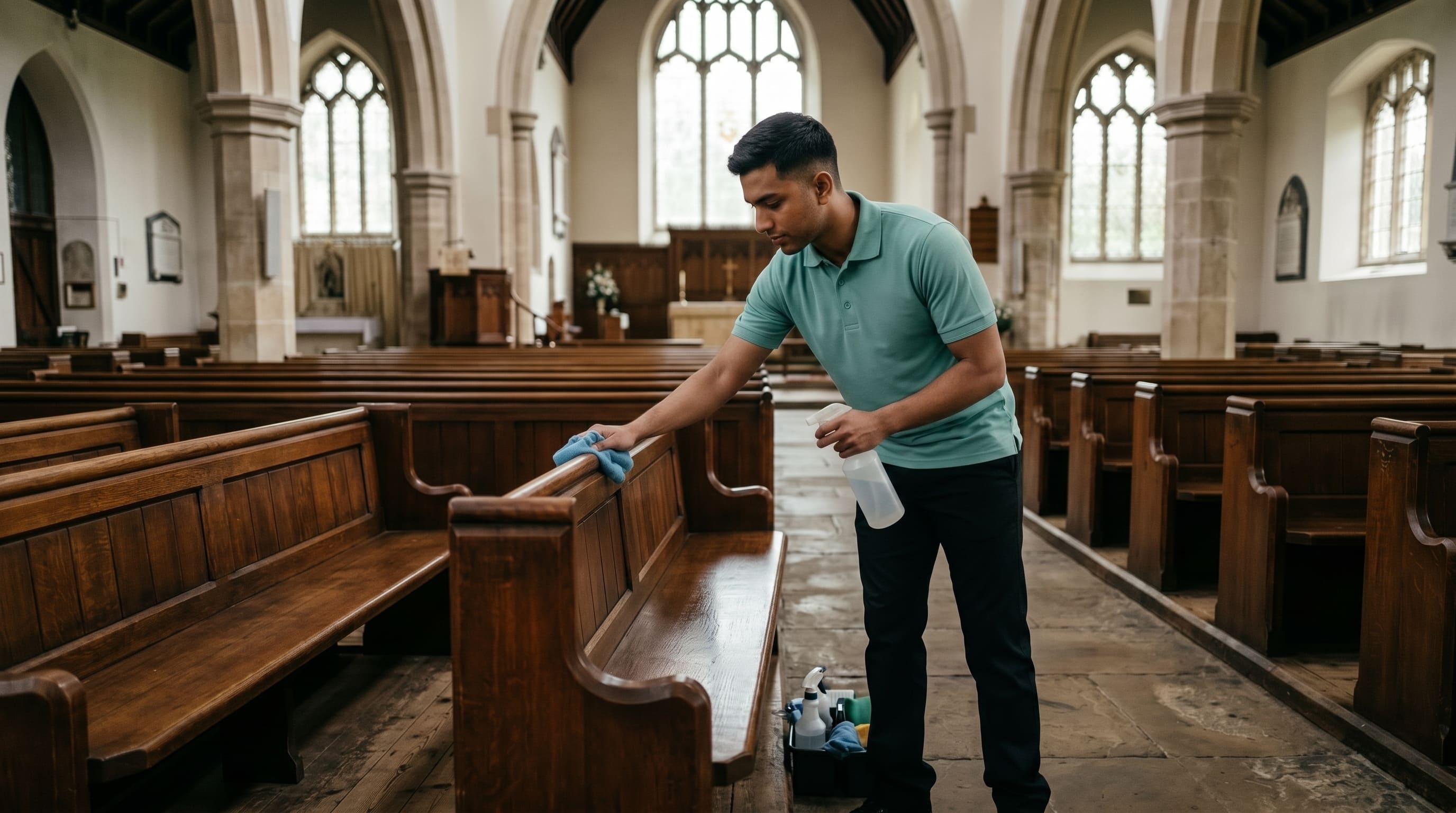
Sanctuary, classroom, restroom, and event-space resets for St. Paul congregations.
See Church and Religious Facility CleaningLocal Detail
Downtown offices and other multi-tenant properties often require cleaning to work around controlled doors, elevators, shared corridors, and rooms that remain in use past a standard closing time. A workable plan separates the public areas, workspaces, restrooms, and meeting rooms rather than assuming they can all be handled in one uninterrupted pass. It also states what happens when access is unavailable so missed work is reported instead of disappearing.
Customer-facing businesses face a different pressure. Entry glass, floors, restrooms, counters, and waiting areas can shape a visitor's impression before any back-office task is seen. Minneapolis Janitorial can help a St. Paul business rank those surfaces by traffic and timing, then set a sequence that supports opening and closing routines without asking staff to finish routine cleaning after the crew leaves.
Facilities with classrooms, training rooms, or appointment spaces need a schedule tied to how those rooms are actually used. A room that is occupied into the evening cannot be treated like an empty office, and an area reset between groups has a different need from a space that only needs nightly service. A written scope can make those differences clear before work begins.
Floor care also needs its own plan. Traffic routes, entry matting, hard surfaces, carpeted corridors, and break-room floors can call for different frequencies and periodic work. During a walkthrough, Minneapolis Janitorial can distinguish a condition that needs a prompt correction from a recurring maintenance need, so the facility team knows what belongs in routine service and what needs a separate scheduled response.
Cleaning quality also depends on what happens after a concern is raised. A facility manager needs a clear contact path, a way to identify the affected area, and confirmation that a correction belongs to the next visit or to a revised routine. That structure is useful in any building, but it matters most where several rooms, users, or access rules compete for attention. Minneapolis Janitorial can keep those notes connected to the written scope, so a repeated condition is evaluated as a task or frequency issue rather than passed from one person to another without a decision.
Request a Quote
If recurring cleaning problems are consuming staff time, a walkthrough can put the issue into a usable scope. Minneapolis Janitorial can review the building's traffic, surfaces, room use, access, and cleaning windows, then outline tasks and frequencies for the conditions on site. Call (612) 712-8785 to arrange a walkthrough for your St. Paul facility.
Request a Quote
Send a few details and we will arrange a walkthrough of your building, then follow it with a written scope listing tasks, areas and frequencies so you can compare it directly against whatever service you have in place now.
Prefer to talk it through? A short phone call usually gets further than a form, because we can ask about restroom counts, floor types and when the space is empty enough to clean properly.